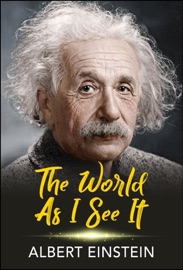
The World as I See It by Albert Einstein is a compelling collection of essays, letters, and reflections that reveal the philosophical and humanistic side of one of the greatest scientific minds of the 20th century. Rather than focusing on his scientific theories, this book presents Einsteinâs thoughts on a wide range of subjects, including politics, religion, education, ethics, war, and the meaning of life. Through these writings, readers gain insight into Einsteinâs moral compass, his ideals, and his vision for a better world.
Einstein writes with clarity, humility, and a deep sense of responsibility toward humanity. He was not only a physicist but also a pacifist, a humanitarian, and a global citizen. In the book, he discusses his concerns about nationalism, militarism, and the destructive potential of war. He advocates for international cooperation, disarmament, and the promotion of peace, believing that science and reason must serve humanity, not destroy it.
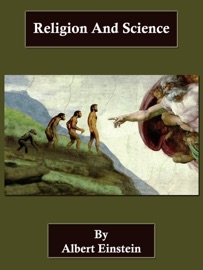
Religion and spirituality also play a role in Einsteinâs worldview. He describes a kind of cosmic religious feelingâa deep reverence for the laws of nature and the vastness of the universeâwithout aligning himself with traditional religious dogma. For him, science and spirituality were not in conflict but were complementary ways of understanding existence.
Education, in Einsteinâs view, should focus not merely on the accumulation of facts but on nurturing independent thinking, creativity, and moral character. He criticizes rigid systems of schooling that stifle curiosity and emphasizes the importance of intellectual freedom and lifelong learning.
Throughout the book, Einsteinâs commitment to justice, truth, and simplicity shines through. He often reflects on the role of the individual in society, expressing the belief that every person has a duty to work toward the common good. His tone is thoughtful and earnest, making his reflections as relevant today as they were in his time.
The World as I See It is not just a portrait of Einstein the scientist, but Einstein the philosopher and humanitarian. It offers timeless wisdom and invites readers to think more deeply about their values, their place in the world, and their responsibilities as human beings. The book stands as a testament to the idea that science, ethics, and compassion canâand shouldâcoexist.
The World as I See It by Albert Einstein is a compelling collection of essays, letters, and reflections that reveal the philosophical and humanistic side of one of the greatest scientific minds of the 20th century. Rather than focusing on his scientific theories, this book presents Einsteinâs thoughts on a wide range of subjects, including politics, religion, education, ethics, war, and the meaning of life. Through these writings, readers gain insight into Einsteinâs moral compass, his ideals, and his vision for a better world.
Einstein writes with clarity, humility, and a deep sense of responsibility toward humanity. He was not only a physicist but also a pacifist, a humanitarian, and a global citizen. In the book, he discusses his concerns about nationalism, militarism, and the destructive potential of war. He advocates for international cooperation, disarmament, and the promotion of peace, believing that science and reason must serve humanity, not destroy it.
Religion and spirituality also play a role in Einsteinâs worldview. He describes a kind of cosmic religious feelingâa deep reverence for the laws of nature and the vastness of the universeâwithout aligning himself with traditional religious dogma. For him, science and spirituality were not in conflict but were complementary ways of understanding existence.
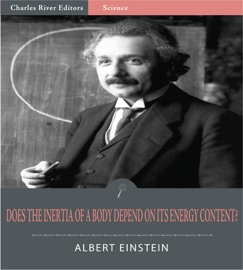
Education, in Einsteinâs view, should focus not merely on the accumulation of facts but on nurturing independent thinking, creativity, and moral character. He criticizes rigid systems of schooling that stifle curiosity and emphasizes the importance of intellectual freedom and lifelong learning.
Throughout the book, Einsteinâs commitment to justice, truth, and simplicity shines through. He often reflects on the role of the individual in society, expressing the belief that every person has a duty to work toward the common good. His tone is thoughtful and earnest, making his reflections as relevant today as they were in his time.
The World as I See It is not just a portrait of Einstein the scientist, but Einstein the philosopher and humanitarian. It offers timeless wisdom and invites readers to think more deeply about their values, their place in the world, and their responsibilities as human beings. The book stands as a testament to the idea that science, ethics, and compassion canâand shouldâcoexist.