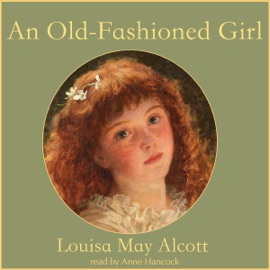
Immediately following the success of Little Women, Louisa May Alcott sat down to write An-Old Fashioned Girl, expanding on the subject of rich versus poor that she explored in her first novel. Itâs a story of a country mouse and a city mouse: 14-year-old Polly Milton travels to Boston for a stay with her friend Fanny Shaw. The wealthy Shawsâ way of life is foreign to Polly who tries to adapt but is quickly labeled âold-fashionedâ. Fanny and her friends dress and behave as their elders do, flirting with boys and gossiping. When Polly breaks free to go sledding, Fanâs rapscallion brother Tom is delighted, but the Shaws explain that itâs not done for young ladies to take this kind of exercise. It takes wise grandmother Shaw to help the girls understand each other.
In her preface, Alcott explains that âthe demand for a sequel, in beseeching little letters that made refusal impossibleâ, made it necessary to advance the story six years when Polly returns to Boston to live independently and in genteel poverty as a piano teacher; Fan is bored with the social life that never changes; and Tom is a mischievous college student and a dandy. Alcott references the budding womenâs rights movement, stressing the importance of both women and men finding work with a purpose in it, while steering her characters through the romances and crises of adulthood.
An Old-Fashioned Girl (Unabridged) - Louisa May Alcott
Immediately following the success of Little Women, Louisa May Alcott sat down to write An-Old Fashioned Girl, expanding on the subject of rich versus poor that she explored in her first novel. Itâs a story of a country mouse and a city mouse: 14-year-old Polly Milton travels to Boston for a stay with her friend Fanny Shaw. The wealthy Shawsâ way of life is foreign to Polly who tries to adapt but is quickly labeled âold-fashionedâ. Fanny and her friends dress and behave as their elders do, flirting with boys and gossiping. When Polly breaks free to go sledding, Fanâs rapscallion brother Tom is delighted, but the Shaws explain that itâs not done for young ladies to take this kind of exercise. It takes wise grandmother Shaw to help the girls understand each other.
In her preface, Alcott explains that âthe demand for a sequel, in beseeching little letters that made refusal impossibleâ, made it necessary to advance the story six years when Polly returns to Boston to live independently and in genteel poverty as a piano teacher; Fan is bored with the social life that never changes; and Tom is a mischievous college student and a dandy. Alcott references the budding womenâs rights movement, stressing the importance of both women and men finding work with a purpose in it, while steering her characters through the romances and crises of adulthood.